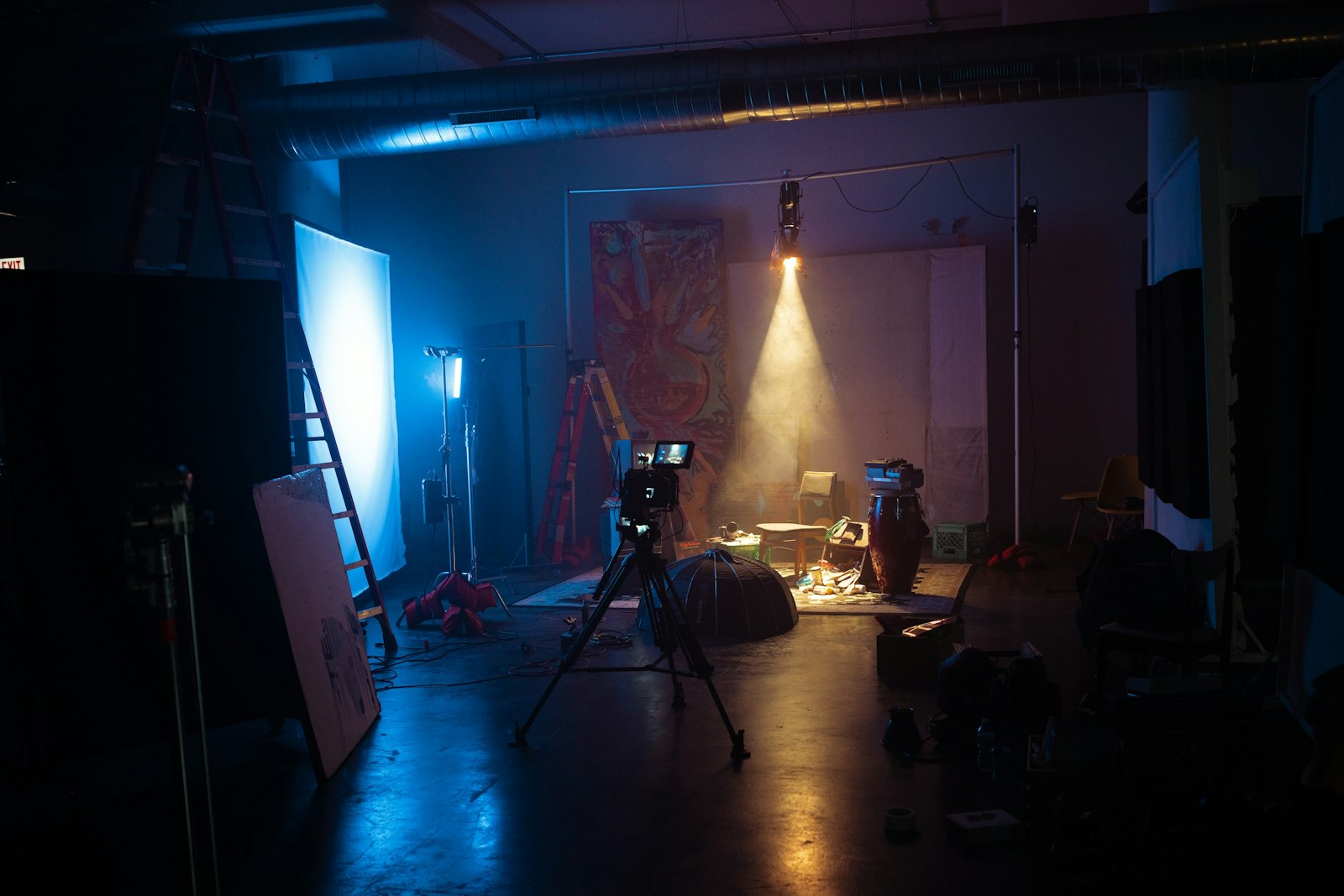
A studio in Portland, Maine, working in three disciplines
We make the pictures, and the thing the pictures go in.
Four people on Anderson Street: editorial and commercial photography, brand identity, and the art direction that decides what both of those should look like. Most jobs need two of the three, which is the whole reason the studio has three.
What we make
Four kinds of work, and the studio takes all four. The interesting jobs are the ones that need two of them at once, which is most of them.
- 01Photography
Editorial and commercial, shot against a use we agreed first
Campaign and catalog work, editorial features, product, and the unglamorous process pictures that end up doing the most work.
- Lit against the layout it has to sit in, not against a mood board
- Retouched to the standard the final use needs and no further
- Delivered in the sizes and color profiles your printer asked for
- 02Brand identity
A mark, a type system, and rules short enough to be read
Naming we leave to you. What we make is everything that then carries the name: the mark, the typefaces, the palette, the grid, and a short document that lets other people use all of it without us in the room.
- One mark, drawn properly, in every format you will be asked for
- Type and color chosen against the places they will actually appear
- A page of rules rather than a forty-page manual nobody opens
- 03Art direction
Deciding what the thing should look like, before it is made
On some jobs everything that matters is settled before a camera or a pencil comes out: references, casting, location, props, and the order the pieces arrive in. That is its own commission, and we take it on work somebody else is making.
- A written direction, with references and a shot list
- Sourcing, scheduling and the logistics nobody enjoys
- Handed to whoever is executing it with nothing held back
- 04Licensing
The archive, and what it saves you
Eleven years of finished work is sitting here and it is open to look through. If something in it already does the job, a license costs a fraction of commissioning the same picture twice.
- A sheet of what fits, before you have paid for anything
- Term, territory and medium written into the agreement
- Renewals priced while there is still time to decide
Selected work
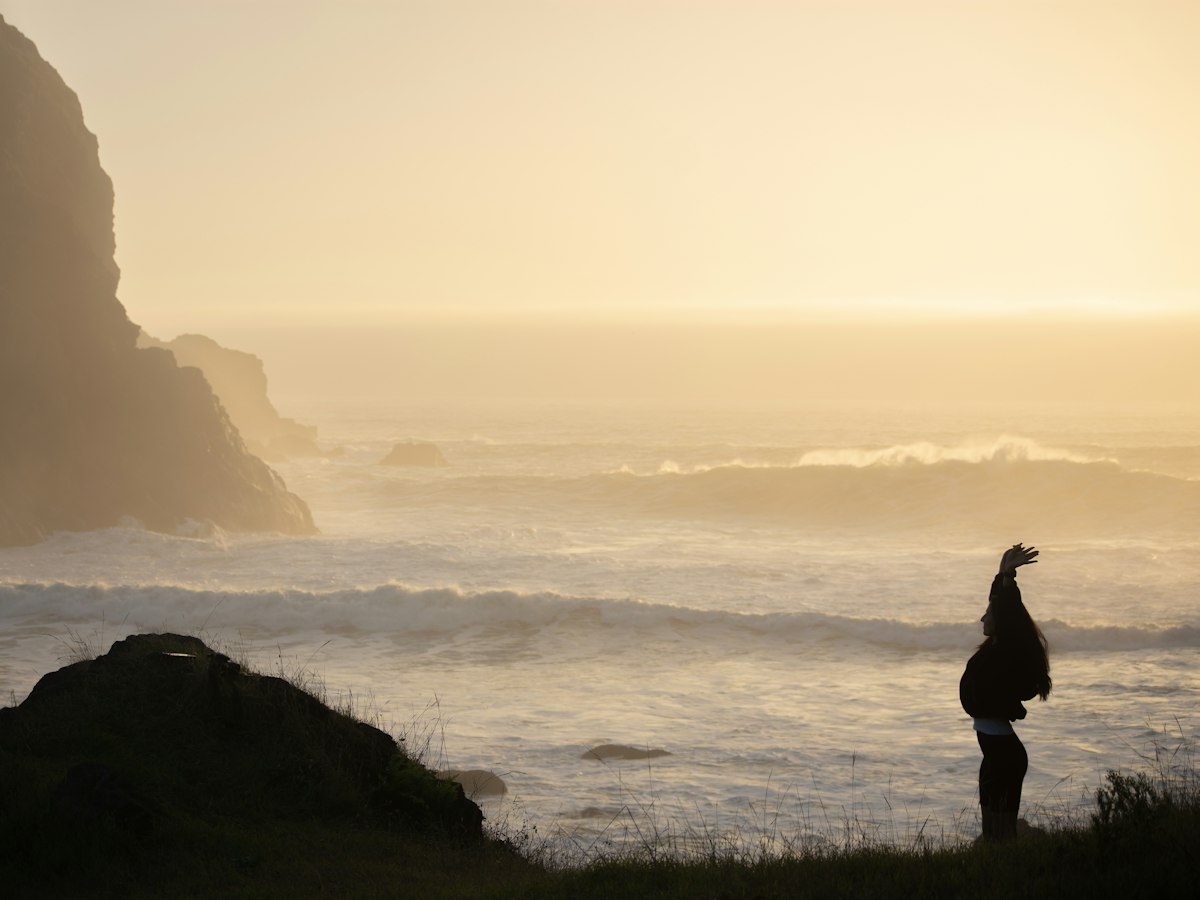
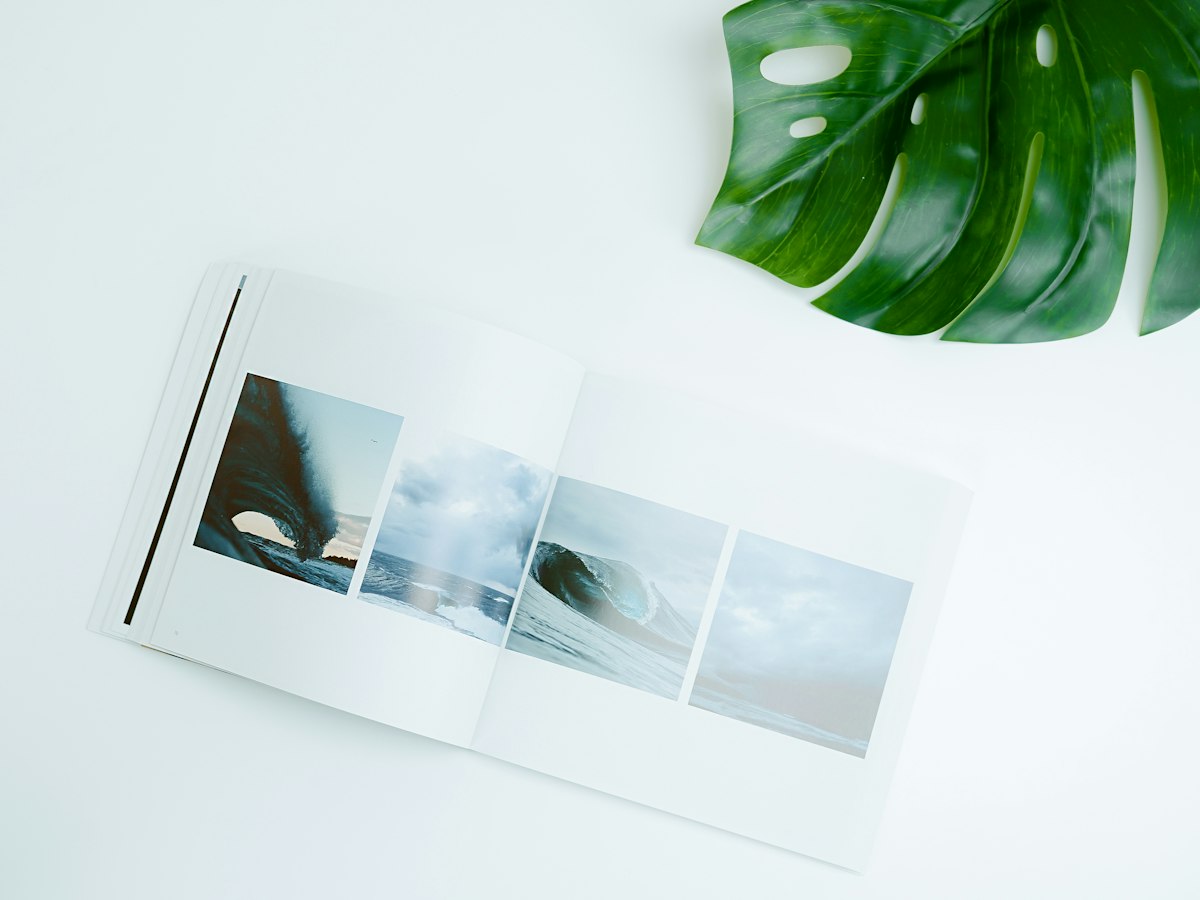
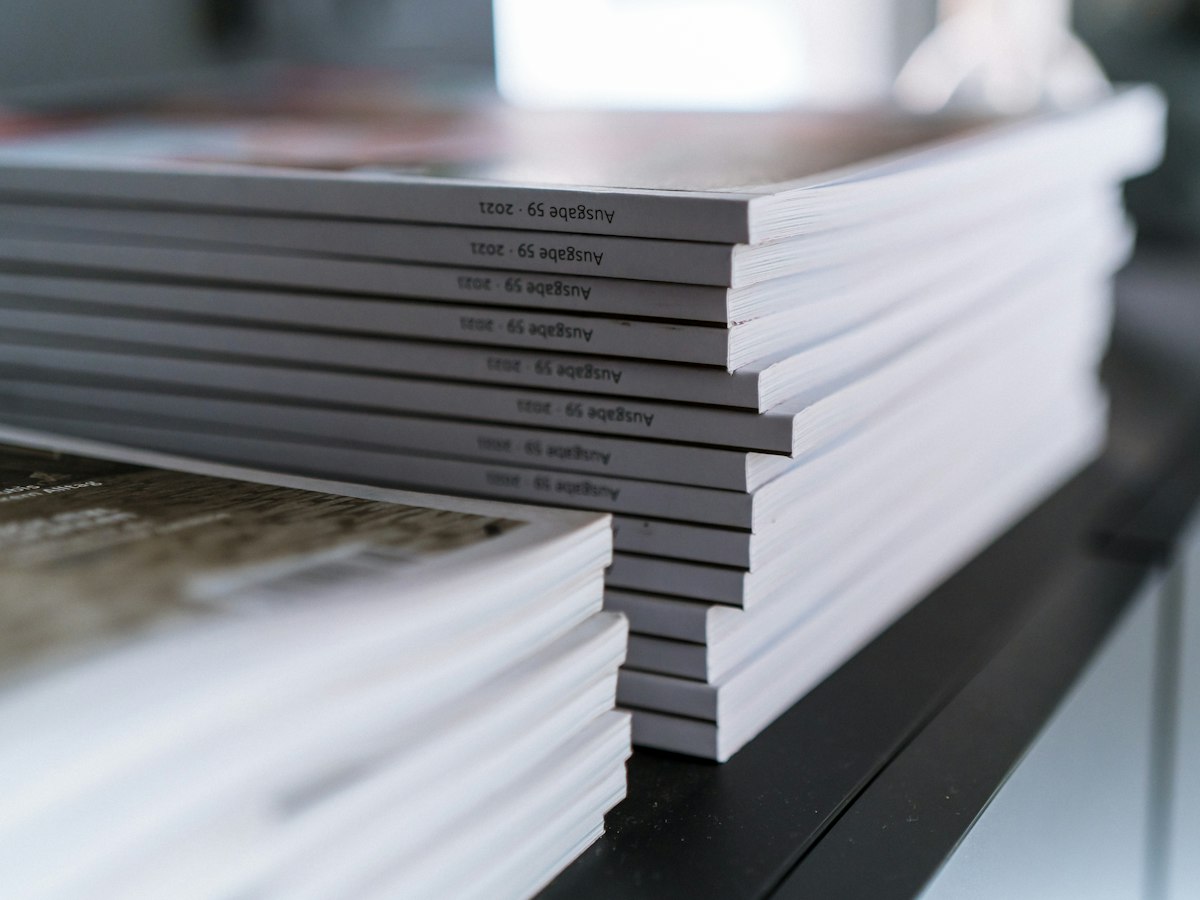
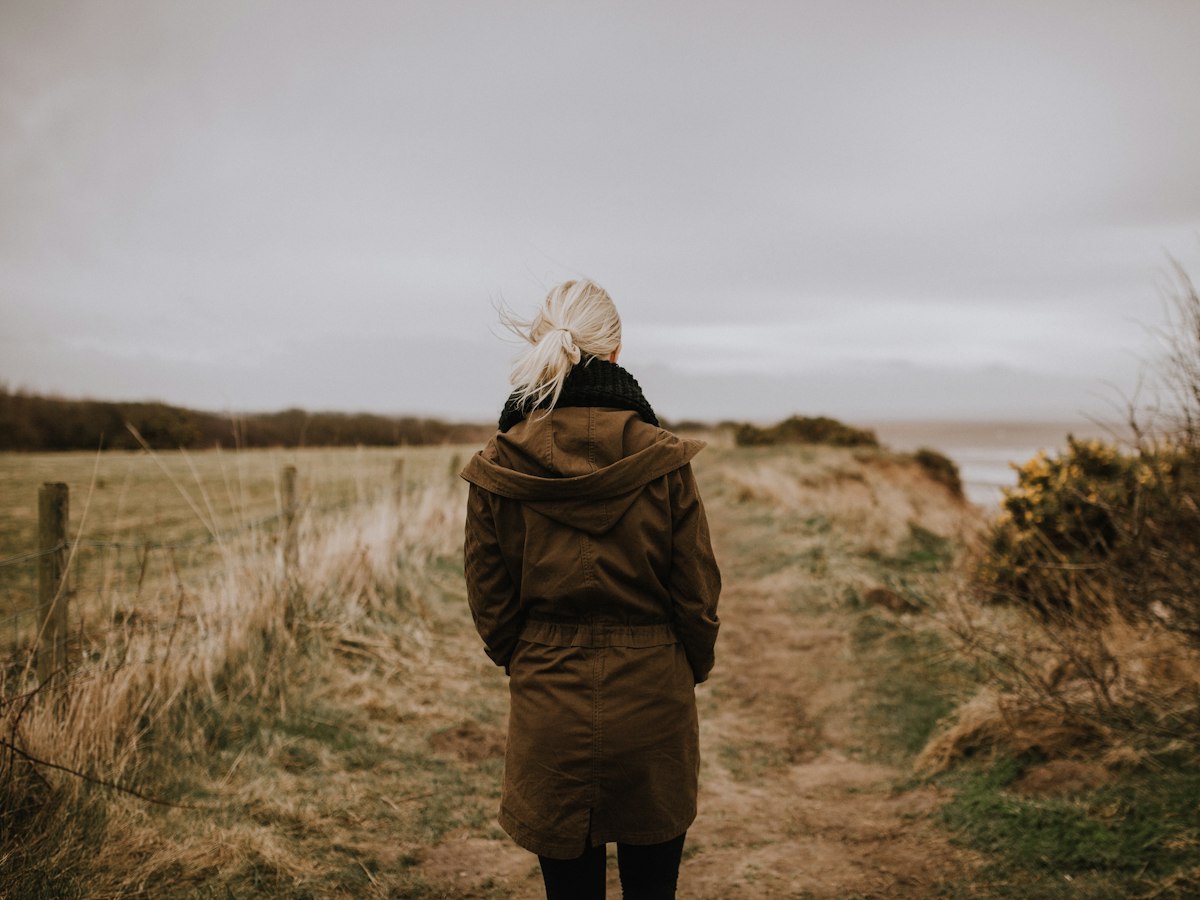
Photographs, marks and layouts on one wall, in no particular order. The studio does not file them separately and neither does this page.
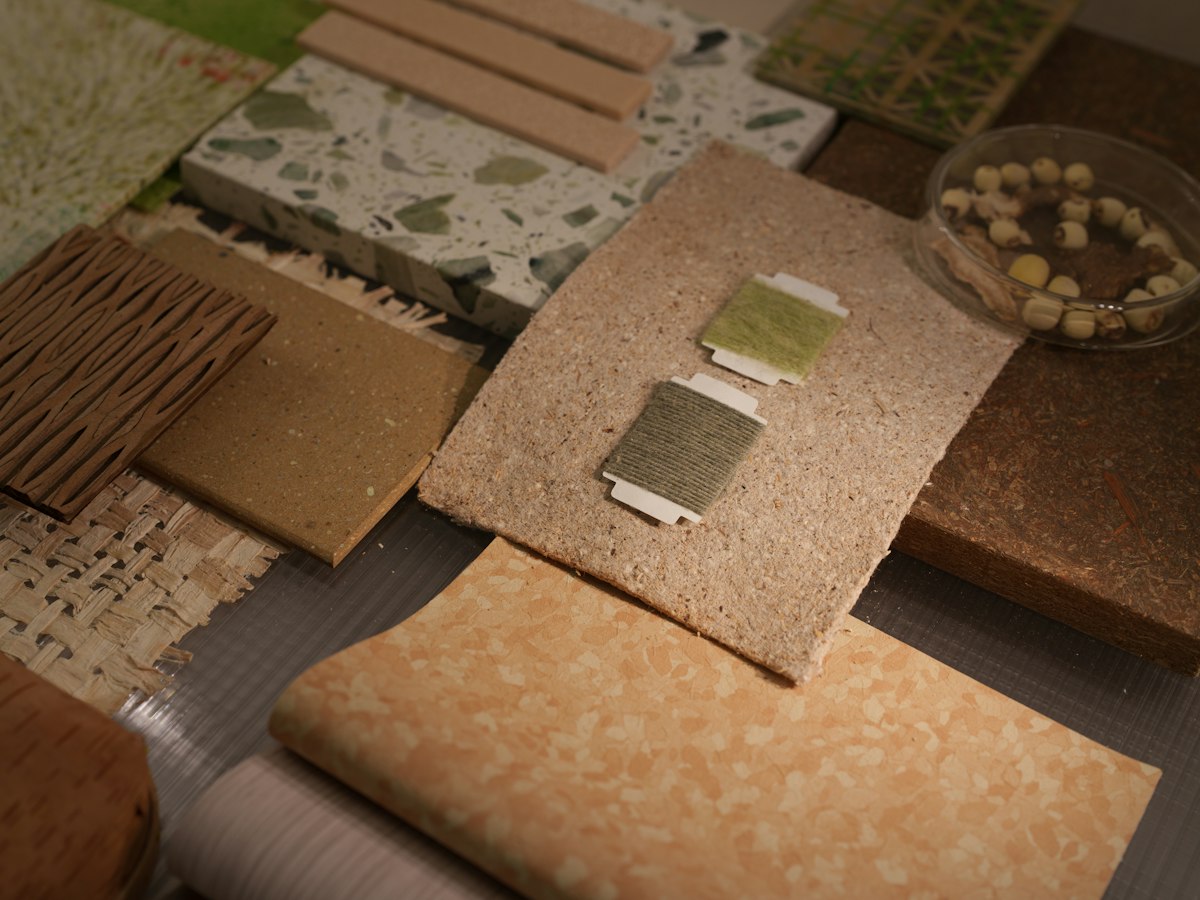

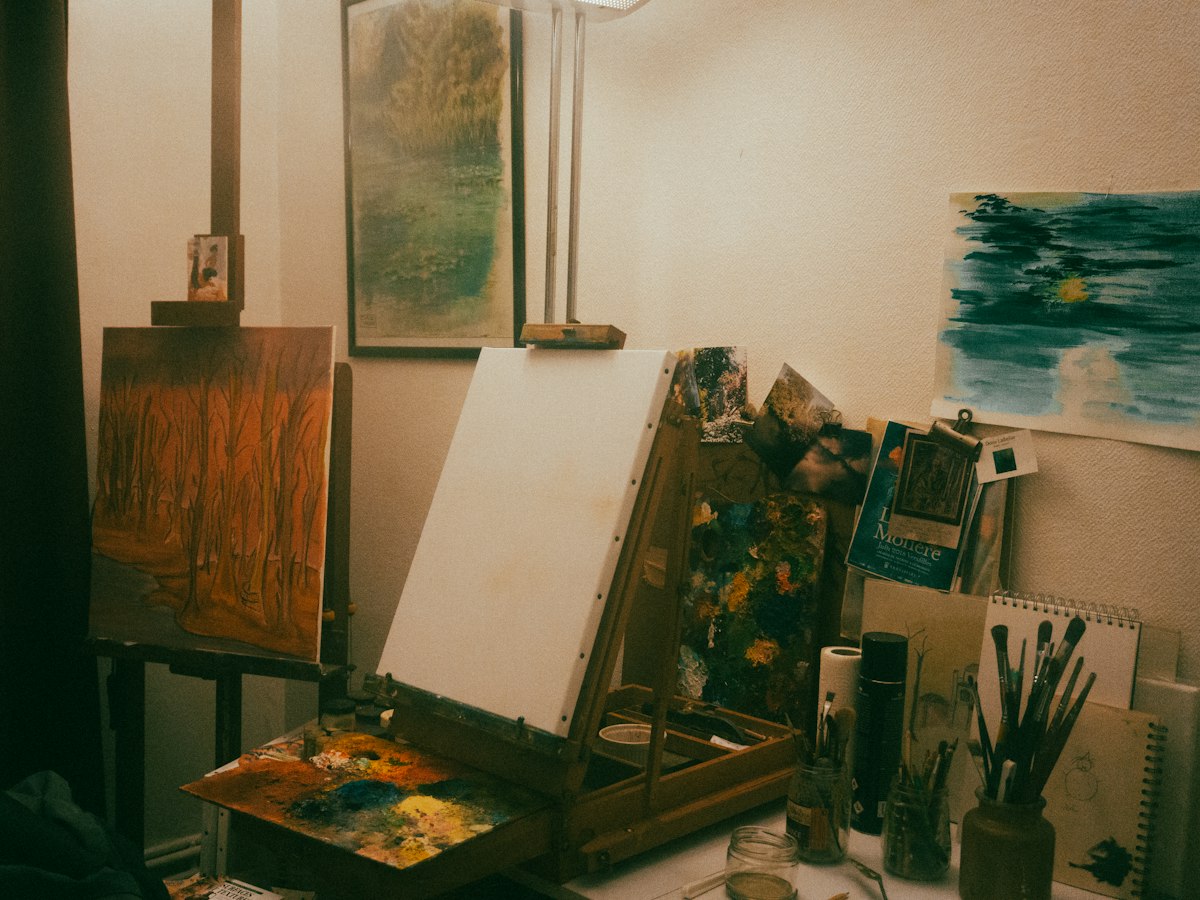
How we work
One brief, one number, and the same people throughout
A job is mostly decided in its first week, before anything is made, which is why so much of that week goes on writing. What is being made, who it is for, where it will run and the day it has to exist: down on one page, sent back to you, corrected until you recognize your own project in it. The fee is calculated from that page and moves only when the page does.
After that you are talking to whoever is making the thing. A job that needs a shoot on Tuesday and a redrawn wordmark on Thursday is two of us and still one brief, one number and one conversation; nothing is handed between departments, because there are none. Work goes up while it can still be changed, which is the only stage at which changing it is cheap.
Client words
We came for a catalog shoot and left with the wordmark redrawn, because August looked at our layouts and said the type was the problem, not the pictures. He was right, and it cost less than the shoot did.
Three sleeves shot in a day, files with us by the Thursday. When we wanted one of them on a billboard eighteen months later, extending the license was a two-line email instead of a negotiation.
The first thing they sent was a single page describing what we were making and who it was for. We had been trying to write that page ourselves for about a year.
So: what are you making?
A paragraph does it. Say what the thing is and where it has to end up, and you will hear back with a number, a date we could start, and an honest answer on whether this is the right studio for it. Sometimes it is not, and we will tell you which one is.